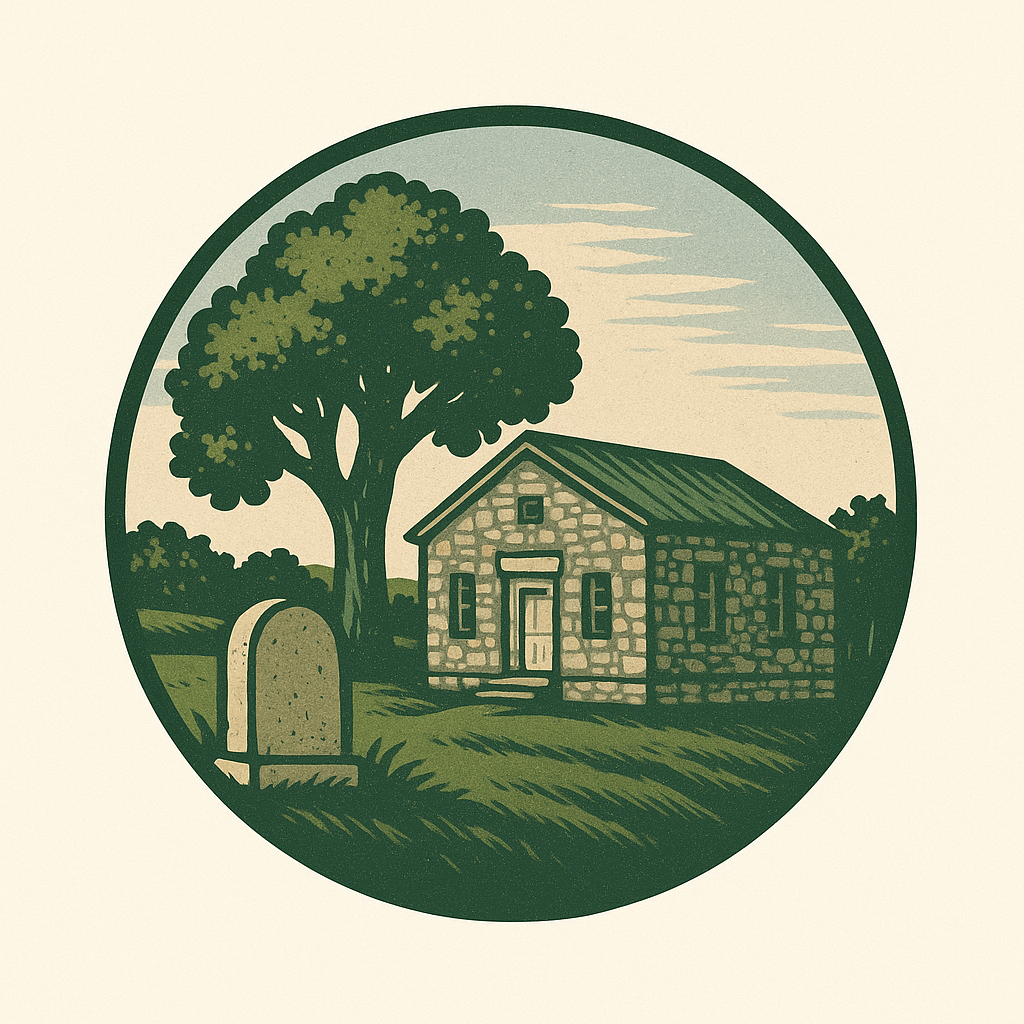
Established in 1869, Seay Cemetery—also known as the Alexandria City Cemetery for African Americans—stands as a testament to the resilience and faith of the African American community during the Reconstruction era. Situated on land deeded by the city for the establishment of a church, school, and cemetery, it became the primary burial ground for Black residents in Alexandria from the post-Civil War period through the mid-20th century. The cemetery contains approximately 500 graves, many marked by fieldstones or depressions, with only 56 extant headstones dating from 1881 to 1989. These markers often feature Victorian-era funerary symbols such as clasped hands, lilies, and hands pointing skyward, reflecting the cultural and spiritual values of the community.
Beyond its role as a burial ground, Seay Cemetery is part of a historic landscape that includes the Seay Chapel African Methodist Episcopal Church and the site of the former African American school. This area served as a central hub for education, worship, and community gatherings. Notably, during the summers of 1886 and 1887, W.E.B. Du Bois taught at the nearby Wheeler School and attended services at Seay Chapel, experiences he later recounted in his seminal work, The Souls of Black Folk. Today, efforts to preserve and restore Seay Cemetery continue, honoring the legacy of those interred and the rich history
 Alexandria Historic Cemeteries District